

Introduction
Understanding the difference between gross pay vs net pay is essential for anyone earning a salary, running a business, or managing finances. Many people receive their paycheck and only focus on the final amount credited to their account, without realizing how it was calculated. This lack of clarity can lead to confusion when budgeting, saving, or even negotiating salaries.
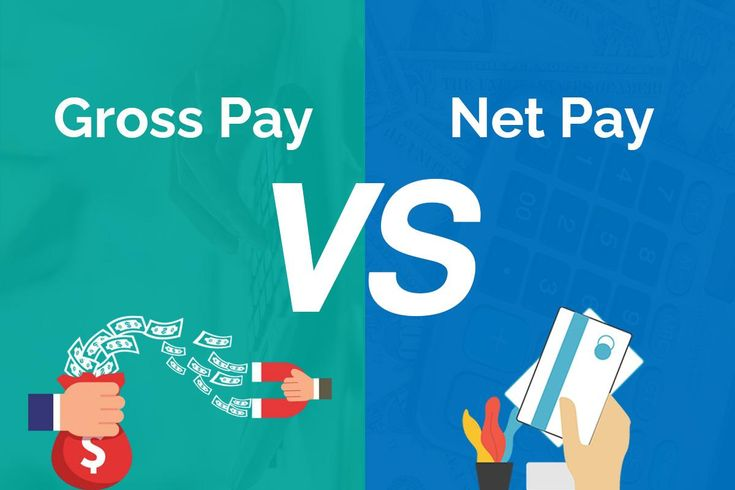
Gross pay vs net pay is a fundamental concept in personal finance and payroll systems. Gross pay refers to the total earnings before any deductions, while net pay is the actual amount you take home after taxes and other deductions are applied. The gap between these two figures can sometimes be significant, depending on various factors like tax rates, benefits, and contributions.
For beginners and even intermediate earners, understanding this distinction helps in financial planning, tax awareness, and better salary negotiations. It also allows individuals to avoid unpleasant surprises when they see their first paycheck.
In this guide, you will learn everything about gross pay vs net pay explained in simple terms, including how each is calculated, why it matters, and how you can make smarter financial decisions based on this knowledge.
What is Gross Pay vs Net Pay?
Gross pay vs net pay refers to two key components of your salary or wages.
Gross pay is the total amount of money you earn before any deductions. This includes your base salary, overtime pay, bonuses, commissions, and any other earnings provided by your employer. It represents your full earning potential on paper.
Net pay, on the other hand, is the amount you actually receive after deductions. These deductions can include income tax, social security contributions, health insurance premiums, retirement savings, and other benefits.
For example, if your gross salary is $3,000 per month, but after deductions you receive $2,400, then $2,400 is your net pay.
In simple terms:
Gross Pay = Total Earnings
Net Pay = Take-Home Pay
Understanding gross pay vs net pay helps you clearly see where your money is going and how much you truly earn after obligations are met.
Why is Gross Pay vs Net Pay Important?
Knowing the difference between gross pay vs net pay is crucial for several reasons.
First, it helps with budgeting. When you plan your expenses, you should always base them on your net pay, not gross pay. Many people make the mistake of budgeting based on their total salary, which leads to financial stress.
Second, it improves financial awareness. By understanding deductions, you become more informed about taxes, insurance, and savings contributions.
Third, it plays a role in salary negotiations. Employers often discuss salaries in terms of gross pay. However, what matters most to you is how much you take home.
Additionally, understanding gross pay vs net pay helps you:
Avoid misunderstandings with employers
Plan for tax season
Track financial goals accurately
Make informed decisions about benefits and deductions
Overall, this knowledge gives you better control over your financial life.
Detailed Step-by-Step Guide
Step 1: Understand Gross Pay Components
Gross pay includes multiple elements beyond just your basic salary. These can include:
Base salary or hourly wages
Overtime payments
Bonuses and commissions
Allowances and incentives
For example, if your monthly salary is $2,500 and you earn a $500 bonus, your gross pay becomes $3,000.
Step 2: Identify Mandatory Deductions
Mandatory deductions are required by law and typically include:
Income tax
Social security or national insurance
Medicare or healthcare taxes
These deductions vary depending on your country and income level.
Step 3: Consider Voluntary Deductions

Voluntary deductions are optional but common. These include:
Health insurance premiums
Retirement contributions
Life insurance
Loan repayments
These deductions reduce your gross pay to arrive at net pay.
Step 4: Calculate Total Deductions
Add all mandatory and voluntary deductions together.
For example:
Income tax: $300
Insurance: $150
Retirement: $100
Total deductions: $550
Step 5: Calculate Net Pay
Subtract total deductions from gross pay.
Gross pay: $3,000
Total deductions: $550
Net pay: $2,450
This final amount is what you receive in your bank account.
Step 6: Review Your Paycheck Regularly
Always check your payslip to ensure deductions are accurate. Mistakes can happen, and reviewing your paycheck helps you stay informed.
Benefits of Gross Pay vs Net Pay
Understanding gross pay vs net pay offers several advantages:
Better budgeting and financial planning
Clear understanding of salary structure
Improved tax awareness
More informed salary negotiations
Ability to track deductions and savings
Greater control over personal finances
Reduced financial stress and surprises
These benefits make it easier to manage your income effectively.
Disadvantages / Risks
While understanding gross pay vs net pay is helpful, ignoring it can lead to risks:
Misjudging actual income
Overspending due to incorrect assumptions
Lack of awareness about deductions
Difficulty in saving money
Unexpected financial shortfalls
Confusion during tax filing
Being unaware of this concept can negatively impact your financial stability.
Common Mistakes to Avoid
Many people misunderstand gross pay vs net pay, leading to financial issues. Here are common mistakes to avoid:
Assuming gross pay is your take-home salary
Ignoring deductions on your payslip
Not reviewing paycheck details regularly
Failing to account for taxes in budgeting
Overlooking voluntary deductions
Not understanding benefit contributions
Avoiding these mistakes ensures better financial management.
FAQs
1. What is the main difference between gross pay vs net pay?
Gross pay is your total earnings before deductions, while net pay is the amount you receive after all deductions are applied.
2. Why is my net pay lower than my gross pay?
Your net pay is lower because of deductions such as taxes, insurance, and retirement contributions.
3. Can net pay ever be equal to gross pay?
This is rare but possible if there are no deductions. However, most jobs include at least some mandatory deductions.
4. Which is more important, gross pay or net pay?
Both are important, but net pay is more relevant for daily financial planning since it reflects your actual income.
5. How can I increase my net pay?
You can increase net pay by reducing voluntary deductions, adjusting tax withholdings, or increasing your gross income.
6. Do bonuses count as gross pay?
Yes, bonuses are included in gross pay and are usually subject to taxes and deductions.
7. How do taxes affect gross pay vs net pay?
Taxes are one of the biggest deductions, significantly reducing gross pay to determine net pay.
8. Is net pay the same as take-home pay?
Yes, net pay is commonly referred to as take-home pay.
Expert Tips & Bonus Points
To make the most of your earnings, keep these expert tips in mind:
Always negotiate salary based on gross pay but evaluate offers based on net pay
Use online calculators to estimate deductions before accepting a job
Review your payslip every month for accuracy
Plan your budget using net income only
Take advantage of tax-saving opportunities
Balance between benefits and take-home salary
Keep track of annual deductions for tax filing
Additionally, understanding gross pay vs net pay helps you make smarter financial decisions in the long run. It allows you to optimize your income, minimize unnecessary deductions, and improve your savings strategy.
Conclusion
Understanding gross pay vs net pay explained in simple terms is a crucial step toward financial literacy. While gross pay shows your total earnings, net pay reflects the actual money you can spend and save. This distinction is important for budgeting, planning, and achieving financial goals.
Many individuals overlook the importance of this concept, leading to confusion and poor financial decisions. However, by learning how deductions work and how net pay is calculated, you gain a clearer picture of your financial situation.
Whether you are a student starting your first job or a professional managing a steady income, knowing the difference between gross pay vs net pay empowers you to take control of your finances. It helps you plan realistically, avoid overspending, and make informed choices about your earnings.
In the end, financial success is not just about how much you earn, but how well you understand and manage it. By applying the knowledge from this guide, you can confidently handle your income and build a more secure financial future.
