

Introduction
Running a small team often feels like balancing multiple tasks at once. Without clear systems in place, even simple operations can become confusing, inconsistent, and time-consuming. This is where standard operating procedures for small teams play a vital role. They provide a structured approach that ensures everyone knows what to do, how to do it, and when to do it.
For beginners and growing teams, implementing standard operating procedures for small teams may seem unnecessary or overly formal. However, in reality, they help eliminate guesswork, reduce errors, and improve overall efficiency. Whether you are managing a startup, a freelance group, or a small department, having clear procedures can make your operations smoother and more predictable.
Moreover, as your team grows, the absence of proper documentation can lead to miscommunication and inconsistent results. By establishing standard operating procedures for small teams early on, you build a strong foundation for scalability and long-term success. This guide will walk you through everything you need to know, from basic concepts to actionable steps, so you can implement effective procedures without feeling overwhelmed.
What is Standard Operating Procedures for Small Teams?
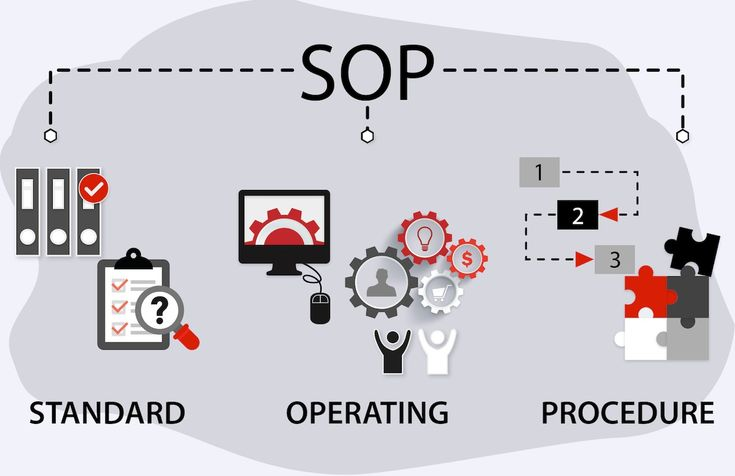
Standard operating procedures for small teams are detailed, written instructions that explain how to perform specific tasks or processes within a team. These procedures act as a roadmap, guiding team members to complete their work consistently and efficiently.
In simple terms, SOPs define the “how” behind your daily operations. They outline step-by-step actions, responsibilities, and expected outcomes for each task. For example, an SOP might explain how to onboard a new client, handle customer complaints, or publish content on a website.
Unlike large organizations, small teams often rely on informal communication. While this may work initially, it can create confusion as tasks become more complex. Standard operating procedures for small teams bring clarity and structure, ensuring that everyone follows the same process regardless of experience level.
Additionally, SOPs are not rigid rules. They can be updated and improved over time as your team learns and grows. This flexibility makes them a practical tool for teams that need both structure and adaptability.
Why is Standard Operating Procedures for Small Teams Important?
Implementing standard operating procedures for small teams is essential for maintaining consistency and efficiency. Without clear procedures, tasks are often completed differently by each team member, leading to inconsistent results.
First, SOPs improve productivity. When team members know exactly what steps to follow, they spend less time figuring things out and more time completing tasks. This clarity speeds up workflows and reduces delays.
Second, they enhance communication. Instead of relying on verbal instructions, which can be misunderstood, SOPs provide a written reference that everyone can follow. This reduces confusion and ensures alignment across the team.
Third, standard operating procedures for small teams support training and onboarding. New hires can quickly learn processes without constant supervision, making it easier to integrate them into the team.
Finally, SOPs help maintain quality. By standardizing processes, you ensure that tasks are completed to the same standard every time. This consistency is especially important for customer-facing activities, where quality directly impacts your reputation.
Detailed Step-by-Step Guide
Identify Key Processes
Start by identifying the most important tasks in your team. Focus on processes that are repeated regularly or have a significant impact on your operations.
Examples include:
- Client onboarding
- Order processing
- Content creation
- Customer support
Prioritize tasks that cause confusion or errors, as these will benefit the most from standard operating procedures for small teams.
Break Down Each Task
Once you identify a process, break it down into clear, manageable steps. Avoid vague instructions and focus on specific actions.
For example:
- Receive client inquiry
- Send initial response template
- Schedule consultation
- Confirm details via email
This level of detail ensures that anyone can follow the procedure without additional guidance.
Assign Responsibilities
Clearly define who is responsible for each step. This prevents overlap and ensures accountability within the team.
For small teams, roles may overlap, but clarity is still important. Even if one person handles multiple steps, documenting responsibilities helps avoid confusion.
Use Simple and Clear Language
Write your SOPs in a straightforward and easy-to-understand manner. Avoid technical jargon unless necessary.
Short sentences and clear instructions make standard operating procedures for small teams more effective, especially for beginners or new team members.
Choose the Right Format
SOPs can be presented in different formats depending on the complexity of the task:
- Step-by-step lists for simple tasks
- Flowcharts for decision-based processes
- Checklists for repetitive activities
Choose a format that makes the procedure easy to follow and implement.
Test the Procedure
Before finalizing your SOP, test it with your team. Ask someone unfamiliar with the process to follow the instructions and provide feedback.
This helps identify gaps, unclear steps, or missing information. Adjust the procedure based on real-world usage.
Document and Store Centrally

Store all SOPs in a central location that is easily accessible to your team. This could be a shared folder, internal system, or project management tool.
Consistency in storage ensures that everyone can quickly find and use standard operating procedures for small teams when needed.
Review and Update Regularly
Processes change over time, so your SOPs should evolve as well. Schedule regular reviews to keep them accurate and relevant.
Encourage team members to suggest improvements based on their experience.
Benefits of Standard Operating Procedures for Small Teams
- Improves efficiency by reducing time spent on decision-making
- Ensures consistency in task execution
- Simplifies training and onboarding
- Reduces errors and misunderstandings
- Enhances team communication
- Supports scalability and growth
- Builds accountability within the team
- Helps maintain quality standards
Disadvantages / Risks
- Can be time-consuming to create initially
- May become outdated if not updated regularly
- Overly rigid procedures can limit creativity
- Team members may resist structured processes
- Poorly written SOPs can cause confusion instead of clarity
Common Mistakes to Avoid
One common mistake is making SOPs too complicated. When procedures are overly detailed or difficult to understand, team members may ignore them altogether. Keep instructions simple and practical.
Another mistake is failing to involve the team in the process. Standard operating procedures for small teams should reflect real workflows, so input from team members is essential.
Additionally, many teams create SOPs but never update them. Outdated procedures can lead to errors and inefficiencies. Regular reviews are necessary to keep them relevant.
Some teams also rely too heavily on SOPs, leaving no room for flexibility. While structure is important, there should still be space for creativity and problem-solving.
Finally, storing SOPs in inaccessible locations is a common issue. If team members cannot easily find them, they are unlikely to use them.
FAQs
What are standard operating procedures for small teams?
They are written instructions that outline how to perform tasks consistently within a small team. They help improve efficiency and reduce confusion.
How detailed should SOPs be?
SOPs should be detailed enough for someone unfamiliar with the task to follow them successfully, but not so complex that they become difficult to understand.
Who should create SOPs?
Ideally, SOPs should be created collaboratively. Team leaders can guide the process, but input from team members ensures accuracy and practicality.
How often should SOPs be updated?
They should be reviewed regularly, such as every few months or whenever there is a change in processes or tools.
Are SOPs necessary for very small teams?
Yes, even small teams benefit from standard operating procedures. They provide clarity and make it easier to scale operations in the future.
What tools can be used to manage SOPs?
You can use shared documents, project management tools, or internal knowledge bases. The key is accessibility and ease of use.
Expert Tips & Bonus Points
Start small instead of trying to document everything at once. Focus on the most critical processes and expand gradually. This approach prevents overwhelm and ensures better quality.
Use visuals where possible. Flowcharts and diagrams can make complex procedures easier to understand and follow.
Encourage feedback from your team. They are the ones using the SOPs daily, so their insights are valuable for improvement.
Keep a consistent format across all SOPs. This makes them easier to read and navigate, especially as your documentation grows.
Finally, make SOPs part of your team culture. Regularly refer to them during training and daily operations so they become a natural part of your workflow.
Conclusion
Standard operating procedures for small teams are not just a formal requirement; they are a practical tool for improving efficiency, consistency, and communication. By clearly defining how tasks should be performed, SOPs eliminate confusion and help teams operate more smoothly.
For beginners and intermediate teams, implementing standard operating procedures for small teams may require some initial effort. However, the long-term benefits far outweigh the time invested. From faster onboarding to improved productivity, SOPs create a structured environment where everyone can perform at their best.
It is important to remember that SOPs are not static documents. They should evolve with your team, reflecting changes in processes, tools, and goals. Regular updates and team involvement ensure that your procedures remain relevant and effective.
In the end, the goal is not to create rigid rules but to build a reliable system that supports your team’s growth. With the right approach, standard operating procedures for small teams can transform the way you work, making your operations more organized, efficient, and scalable.
